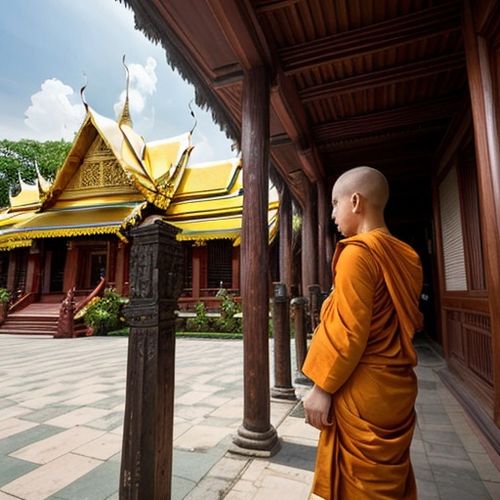
Thailand’s temples, known as wat, are not only spiritual sanctuaries but also centers of traditional healing. For centuries, monks have played a dual role as religious guides and practitioners of herbal medicine, offering remedies for physical and mental ailments. However, beneath this seemingly harmonious blend of spirituality and healthcare lies a complex web of cultural taboos and restrictions. Visitors seeking temple-based treatments must navigate these unspoken rules carefully, as violating them can lead to social ostracization or even legal consequences.
The relationship between Buddhism and traditional medicine in Thailand is deeply intertwined. Monks often receive training in herbal remedies, massage techniques, and spiritual healing practices passed down through generations. Many temples, particularly in rural areas, serve as de facto clinics for locals who may not have access to modern healthcare. Yet, this system operates under strict religious guidelines that outsiders frequently misunderstand. The very act of seeking healing within a sacred space comes with expectations of proper conduct that extend far beyond Western notions of medical etiquette.
One of the most critical taboos involves the handling of sacred objects during treatment. Amulets blessed by monks, for instance, are believed to carry protective energies and must never be placed below the waist or treated disrespectfully. Patients receiving herbal compresses or oil treatments must ensure these objects remain elevated at all times. Similarly, temple grounds often contain spirit houses and Buddha images that demand specific protocols—walking between a patient and such sacred items during treatment sessions is considered highly inappropriate.
The gender divide presents another layer of complexity in temple healthcare. In accordance with monastic rules, Thai Buddhist monks cannot physically touch women. This creates significant limitations for female patients seeking traditional massage or hands-on healing. Some temples have developed workarounds, employing trained lay practitioners to assist female visitors, while others simply refuse to treat women altogether. Foreign women often unknowingly breach these protocols by extending their hands for assistance or sitting too close to monks during consultations.
Dietary restrictions form another crucial aspect of temple medicine that many Western visitors find surprising. Certain healing regimens require strict adherence to food prohibitions that may last weeks or months. Garlic and onions, staples in Thai cuisine, are frequently banned during treatment as they’re believed to stimulate carnal desires incompatible with spiritual healing. Alcohol consumption while undergoing temple-based therapies isn’t just discouraged—it’s viewed as rendering the entire treatment ineffective. These rules stem from ancient Ayurvedic principles that view certain foods as disrupting bodily energies.
Perhaps the most sensitive taboo involves discussing terminal illnesses within temple grounds. Thai culture maintains strong beliefs about the power of spoken words, and directly mentioning conditions like cancer or HIV/AIDS within sacred spaces is thought to manifest negative outcomes. Healers often employ euphemisms or indirect language when discussing serious diagnoses. This creates challenges for Western patients accustomed to straightforward medical terminology, sometimes leading to dangerous misunderstandings about treatment plans or prognoses.
The timing of treatments also follows esoteric rules unfamiliar to most visitors. Lunar cycles dictate when certain herbs can be harvested or when specific therapies should be administered. The Buddhist holy days (known as wan phra) often limit available treatments, as monks dedicate these periods entirely to spiritual practice. Patients insisting on procedures during forbidden times may find their requests politely but firmly denied, regardless of the severity of their condition.
Financial contributions present another minefield of potential missteps. While temple medicine is theoretically offered without set fees, the system operates on intricate dana (donation) customs. Offering too little money can insult the practitioners, while giving too much may violate monastic vows of poverty. The proper amount varies by region, temple status, and treatment type—a calculus few foreigners comprehend. Many temples solve this by having lay attendants discreetly suggest appropriate donation ranges, but the transaction must never resemble a commercial exchange.
Photography during treatments represents a particularly modern violation of temple medical etiquette. The rise of social media has led to increasing incidents of visitors documenting their healing sessions without permission. In Thai Buddhist belief, capturing images of healing rituals disrupts the flow of spiritual energy and violates patient privacy in ways Westerners often fail to appreciate. Some temples now outright ban cameras and smartphones from treatment areas, while others require signed agreements before allowing any documentation.
The use of language during healing sessions carries its own set of restrictions. Patients must avoid confrontational speech or loud voices that might disturb the temple’s meditative atmosphere. Even expressions of pain during rigorous massage or moxibustion therapies should be muted—outbursts are considered disrespectful to both the healer and the sacred environment. This cultural expectation leads some foreign patients to endure treatments beyond their comfort level rather than risk offending their hosts.
Ultimately, Thailand’s temple medicine system reflects a worldview where physical health cannot be separated from spiritual well-being. The numerous taboos surrounding these practices aren’t arbitrary rules but integral components of a holistic healing philosophy. As medical tourism grows in Thailand, understanding these restrictions becomes increasingly important for visitors seeking alternative treatments. Those who take time to learn and respect these cultural nuances often find their temple healthcare experience far more rewarding—both physically and spiritually.

By Grace Cox/Apr 14, 2025
By Emma Thompson/Apr 14, 2025
By Daniel Scott/Apr 14, 2025

By Rebecca Stewart/Apr 14, 2025

By Emily Johnson/Apr 14, 2025

By Megan Clark/Apr 14, 2025
By Emma Thompson/Apr 14, 2025

By Grace Cox/Apr 14, 2025

By Christopher Harris/Apr 14, 2025

By Joshua Howard/Apr 14, 2025
By Noah Bell/Apr 14, 2025
By Grace Cox/Apr 14, 2025
By Joshua Howard/Apr 14, 2025

By Victoria Gonzalez/Apr 14, 2025
By Grace Cox/Apr 14, 2025

By Christopher Harris/Apr 14, 2025

By Lily Simpson/Apr 14, 2025
By Laura Wilson/Apr 14, 2025
By Michael Brown/Apr 14, 2025

By Noah Bell/Apr 14, 2025